Pet Surgical Services in Dallas & McKinney
From routine spay and neuter procedures to advanced orthopedic pet surgery, our surgical team provides veterinary surgery services for dogs, cats, and other pets throughout Dallas and McKinney, TX.
Comprehensive Surgical Care
Sometimes it takes more than medicine to get, and keep, your pet back to health. That’s why we offer a full range of surgical and dental services. Our doctors have performed many thousands of surgeries since we established our first clinic in 1991, and each of our hospitals is fully equipped with the latest veterinary surgical technology, a clean surgical suite, and a post-op recovery area where patients are closely monitored by skilled staff.
All surgeries are performed by a Texas-licensed veterinarian with one or two trained assistants, generally on an appointment basis Monday through Friday. Non-emergency procedures include a pre-surgical exam, pre-op blood testing, a screening electrocardiogram, an IV catheter with IV fluids, advanced anesthesia, and pain relief medication during the procedure and to send home, all aimed at increasing patient safety and supporting a smoother recovery.
Spay & Neuter Surgery
A spay is surgery to remove the female reproductive organs (the ovaries, uterus, and fallopian tubes). A neuter is the surgical removal of a male animal’s testicles, so he cannot impregnate a female. In everyday language, this is often called being “fixed” or “altered.”
We offer spay and neuter surgery for dogs, puppies, cats, kittens, and rabbits. Surgery patients are typically admitted between 7 and 7:30 AM. Males can usually be picked up after 5:30 PM the same day, while females spend one night in the hospital on pain relief medication and can be picked up around 10 AM the following day.
Spaying or neutering your pet is a generally safe and highly effective way to reduce the number of unplanned litters, and it can also help prevent certain unwanted behaviors, including aggression, roaming, spraying, and yowling associated with sexual maturity. It also carries health benefits: spaying eliminates the risk of ovarian and uterine cancer, while neutering eliminates the risk of testicular cancer and reduces the risk of prostate disease. A 2013 University of Georgia study found that sterilized dogs lived, on average, about 1.5 years longer than intact dogs.
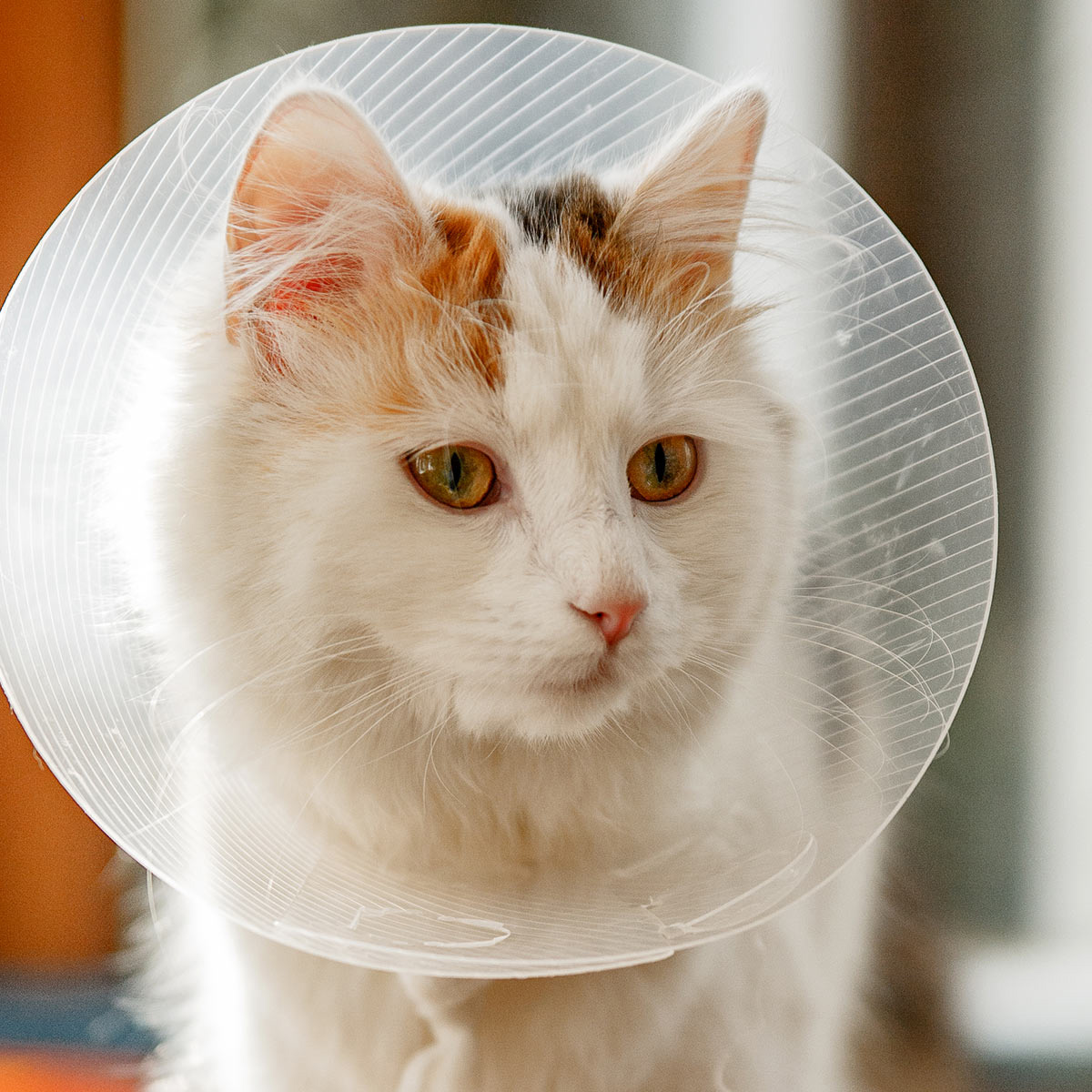
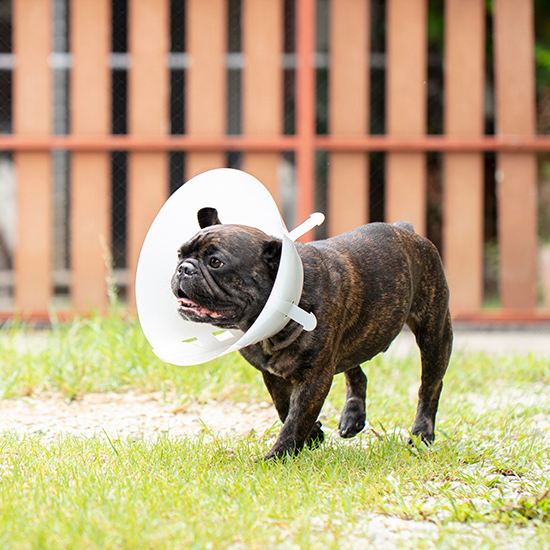
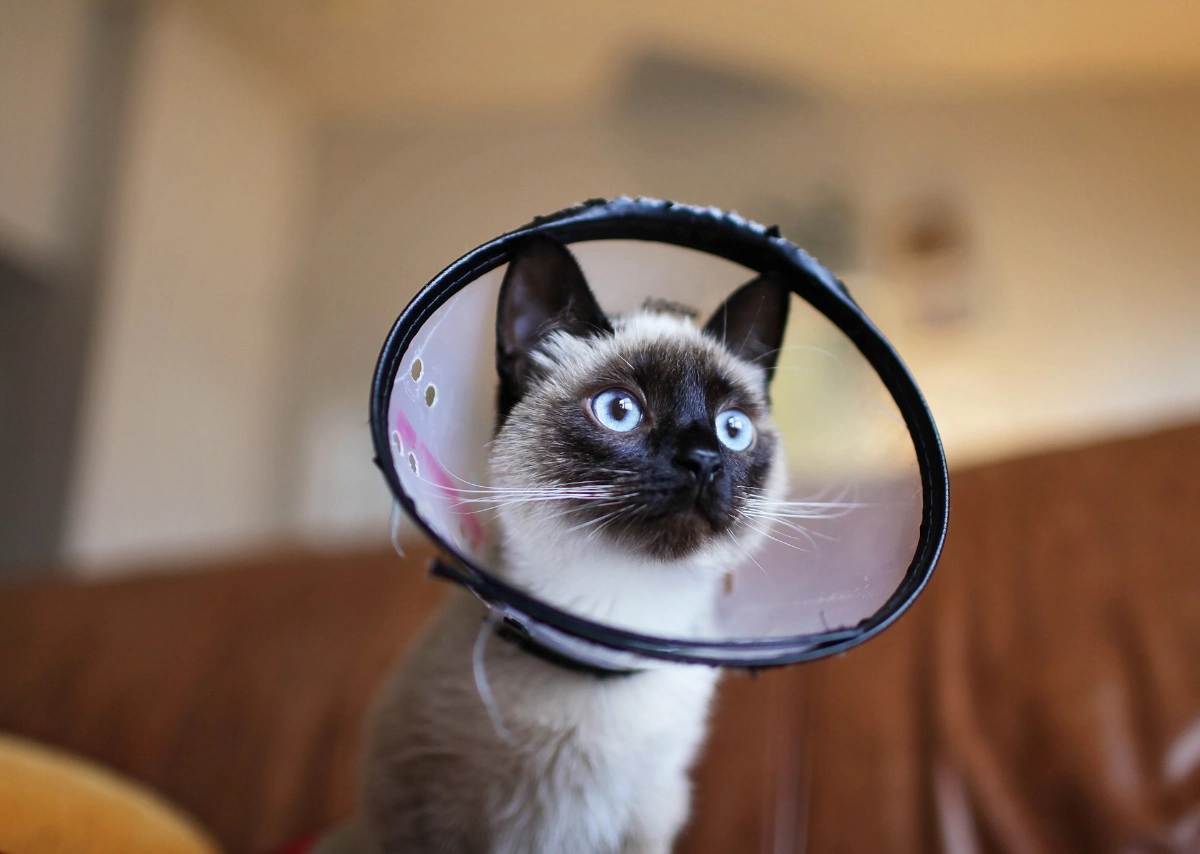
For kittens specifically, the Humane Society of the United States recommends spaying or neutering kittens as young as 8 weeks of age, while other guidelines suggest 5 to 6 months. Before surgery, make sure your cat or dog is up to date on vaccinations and flea and tick prevention, and follow our fasting instructions: generally, no food after 10 PM the night before, with water still allowed. After surgery, pets need a quiet, warm place to recover, limited activity for 10 to 14 days, and often an E-collar or surgical suit to prevent licking or scratching at the incision site.
General Surgical Services
Surgery isn’t usually our first thought, but sometimes it’s the best, or the only, alternative. As accredited members of the American Animal Hospital Association, we adhere to the AAHA quality-of-care guidelines, which is one reason we may cost a little more than those at some other veterinary practices. When a patient’s outcome may depend on the quality of equipment or staff training, we don’t cut corners, and we’ll always communicate with you so you’re comfortable with the plan and costs involved.
In addition to routine spays and neuters, we’re equipped to perform procedures such as removal of intestinal foreign bodies, repair of broken bones, tumor removal, removal of bladder stones, cesarean sections, surgical correction of ear and eye deformities, and reconstructive surgery. Every surgical patient receives a complete pre-surgical exam, pre-op bloodwork, a screening ECG, an IV catheter with fluids, advanced anesthesia, individual monitoring by trained veterinary nurses during and after surgery, and pain relief medication during the procedure and to take home. We also offer high-intensity laser therapy after surgery when appropriate, along with return visits for rechecks or suture removal if needed.
Orthopedic Pet Surgery
Pets need orthopedic care for many reasons, including birth defects, trauma, accidents, and degenerative changes. We draw on a range of approaches to help, including nutrition, high-intensity laser therapy, supplements, and surgery when necessary, and we work with other professionals, like acupuncturists and animal chiropractors, as appropriate. Depending on the procedure needed, one of our experienced veterinarians may perform the surgery directly. For more complex cases, we may bring in an outside surgeon or refer you to a board-certified veterinary surgeon.

Our CO2 Surgical Laser Advantage
Our hospitals have used laser surgery since 1998 and were among the first in the North Texas area to use a CO2 surgical laser on veterinary patients. As it cuts, the laser beam seals nerve endings, lymphatics, and small blood vessels, which can mean less post-operative pain and swelling, less bleeding, a reduced risk of infection thanks to the laser’s sanitizing effect, and a faster return to normal activity for many pets.
We’ve been impressed enough with these results that we use the CO2 laser on nearly all of our routine surgeries, including spays, neuters, canine dewclaw removal, ear and eye surgeries, lick granuloma treatment, nasal fold and nostril surgery, oral surgery, tumor removal, and feline declaw surgery. In fact, as a matter of policy, we won’t perform feline declaw surgery without the laser, since it can significantly reduce the discomfort involved compared to conventional methods.
PennHIP Hip Dysplasia Screening
Dogs have been selectively bred for thousands of years to produce the many unique breeds we have today. Along the way, selective breeding has also introduced a number of breed-specific genetic disorders, including canine hip dysplasia, an inherited condition caused by a malformed hip joint. Left unaddressed, hip dysplasia can cause pain and difficulty walking.
PennHIP is a multifaceted screening method with roots dating back to 1983, when Dr. Gail Smith of the University of Pennsylvania School of Veterinary Medicine first developed it for diagnosing canine hip dysplasia. Following multicenter clinical trials in 1993, PennHIP has become a trusted choice among veterinarians, in part because it can identify a dog’s risk of hip dysplasia as early as 16 weeks of age.
Chastain Veterinary Medical Group is proud to be listed as an authorized PennHIP evaluation center. Contact Preston Road Animal Hospital in Dallas at (972) 619-9633, or Meadow Brook Animal Hospital in McKinney at (972) 619-9648, to schedule your dog’s appointment today.
FAQs About Pet Surgical Services
What's the difference between a spay and a neuter?
A spay removes a female's reproductive organs so she cannot become pregnant, while a neuter removes a male's testicles so he cannot impregnate a female.
Why do you use a CO2 surgical laser?
The laser seals nerve endings and blood vessels as it cuts, which can mean less pain, less bleeding, and a lower risk of infection compared to traditional surgical methods.
Do you perform orthopedic surgery in-house?
Depending on the procedure, one of our experienced veterinarians may perform it directly. For more complex cases, we may bring in an outside surgeon or refer you to a board-certified specialist.
What safety measures are included with every surgery?
Every surgical patient receives a pre-surgical exam, pre-op bloodwork, a screening ECG, an IV catheter with fluids, and continuous monitoring during and after the procedure.
Skilled, Attentive Surgical Care for Every Patient
Surgery can be stressful to think about, but our team’s approach is built around reducing risk and discomfort at every step, from pre-op screening to laser-assisted procedures and attentive recovery monitoring. With decades of surgical experience and CO2 laser technology in-house, our doctors are equipped to handle everything from routine spays to more complex orthopedic cases. Families throughout the greater Dallas and McKinney area trust our surgical team when their pet needs this level of care.