
Pet Dental Care in Dallas & McKinney
Some people are skeptical that pets smile, but we’re not. We know all about those smiles, and our team offers thorough dental cleanings, oral surgery, and periodontal care for dogs, cats, and ferrets throughout Dallas and McKinney, TX.
What’s Behind Your Pet’s Smile
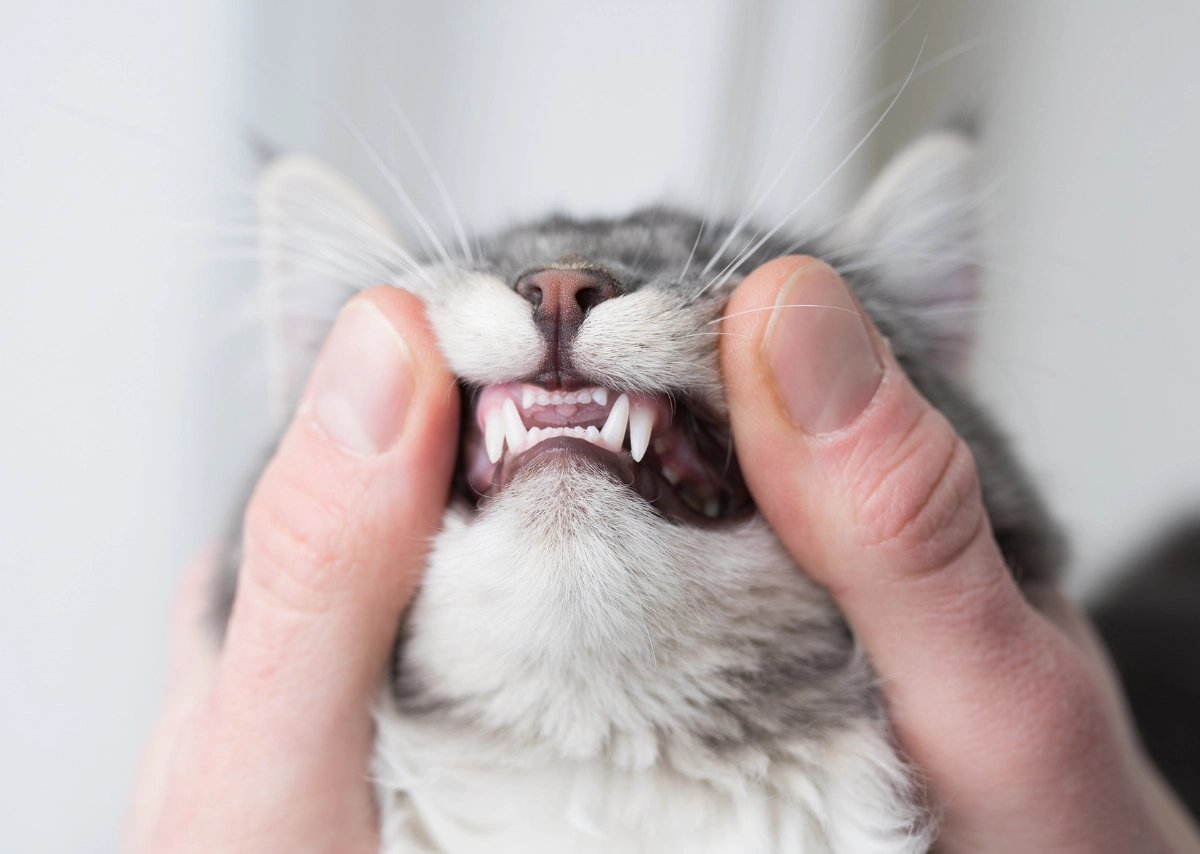
We veterinarians see the “dark” side of that flashy set of teeth a little too often, and if left untreated, it can be both uncomfortable and dangerous. Both animals and people need regular dental care, though the problems differ. While humans tend to get cavities, our small animal patients are relatively immune to this process. Instead, small animals are more prone to tartar and plaque buildup, which leads to periodontal disease. Periodontal disease in pets causes pain, foul breath, and eventual tooth loss, and it can even contribute to bacterial infections in internal organs like the heart, liver, and kidneys.
Our regular 12-point physical exams include a thorough examination of your pet’s mouth and teeth. If we find bad breath, gum disease, tartar, or plaque, we may recommend teeth cleaning and discuss pet oral hygiene with you. This is usually a two-way effort: we can advise you on diet and routine dental care at home, and we offer regular professional teeth cleaning services to remove plaque and tartar and freshen your pet’s breath.
Our Dental Services
Whether your pet is young or old, and whether you have a dog, cat, or ferret, dental care is vital to their overall health, and we’re here to help. We’re fully trained and equipped to provide:
- Oral cancer screening
- Tooth scaling
- Tooth polishing
- Dental radiology (X-rays)
- Tooth extractions for teeth damaged beyond repair
- Periodontal surgery, to repair serious gum damage
- Oral surgery
- Dental pain control, as needed
- Home dental care instruction and training
- Canine and feline toothbrushes and animal toothpaste
- Breath-freshening products

Why Anesthesia Matters for Dental Cleanings
To perform a professional dental cleaning properly, your pet needs to be anesthetized. So-called non-anesthetic dentals may clean tartar off the crowns of the teeth, but they can’t clean under the gums or take X-rays to evaluate the health of your pet’s tooth roots. While there’s some benefit to removing plaque and tartar from the tops of the teeth, the more important, longer-lasting benefits come only from a proper professional dental cleaning performed under anesthesia.
Why Pet Dental Care Matters
Periodontal disease is one of the most common health issues we see in dogs, cats, and ferrets, and it’s largely preventable with regular care. Left unaddressed, it can cause chronic pain, tooth loss, and bacterial infections that affect organs well beyond your pet’s mouth. Routine dental exams and professional cleanings help catch problems early, before they become painful or costly to treat.
FAQs About Pet Dental Care
What is involved in a typical pet dental cleaning?
Pet dental cleanings are usually day-admission procedures that are far more comprehensive than human cleanings to ensure safety and thoroughness. The process begins with a physical exam, EKG, pre-anesthetic blood testing, and an IV catheter for fluid support and medication access. Once safely under gas anesthesia, the pet is continuously monitored by staff and electronic sensors while a breathing tube and mouth packing protect their airway. A veterinary nurse cleans, scales, rinses, polishes, and applies fluoride to the teeth, followed by full oral inspection and targeted dental X-rays by the veterinarian to assess the true extent of any underlying disease.
If additional treatments like extractions or deep oral therapy are needed, the veterinarian contacts the owner during the procedure to discuss findings, options, and costs before proceeding. Pain management—including local nerve blocks and oral medications—is heavily prioritized before, during, and after the cleaning. Once recovered, pets are typically ready to go home the same afternoon with custom post-op instructions, home-care demonstrations, and a scheduled follow-up visit to ensure proper healing.
Why does my pet need anesthesia for a dental cleaning?
Anesthesia allows us to clean below the gumline and take dental X-rays to evaluate tooth root health, which isn't possible with a non-anesthetic dental.
What are the signs my pet may need dental care?
Bad breath, visible tartar, and gum irritation are common signs we look for during our 12-point physical exams.
Do you treat ferrets and other small mammals, not just dogs and cats?
Yes, dental care is important for ferrets and other small mammals as well, and we're equipped to help.
What should I do to care for my pet's teeth at home?
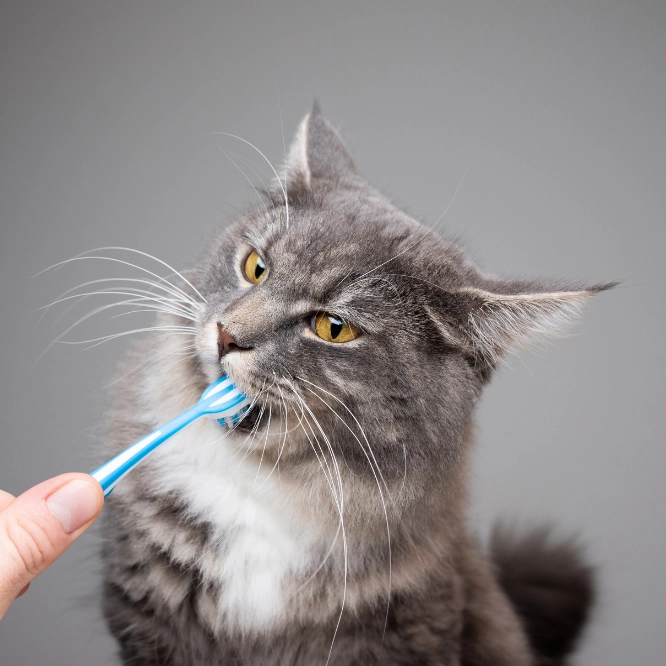
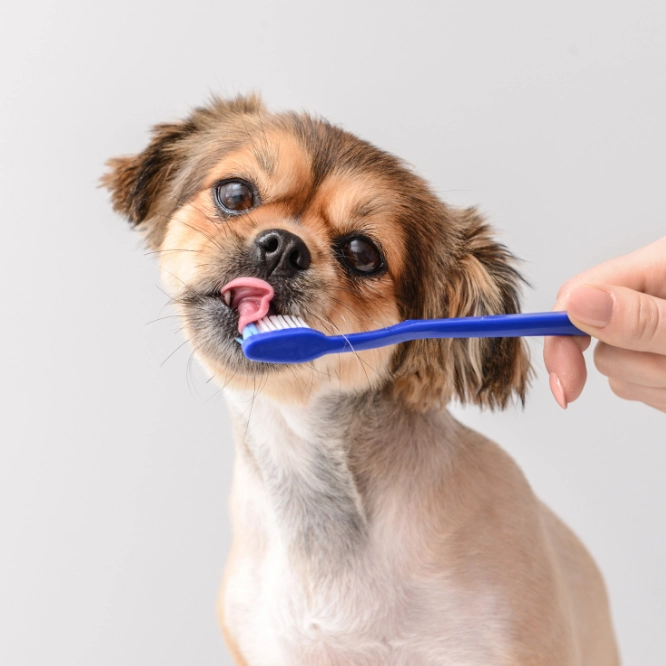
We offer home dental care instruction and training, along with canine and feline toothbrushes, toothpaste, and breath-freshening products.
A Trusted Approach to Pet Oral Health
Your pet’s dental health affects far more than their breath—it can influence their comfort and overall well-being for years to come. Ask your Chastain Veterinary Medical Group team about the right dental care plan for your pet. Families throughout the greater McKinney and Dallas area trust our team to catch dental issues early and treat them with care.