
Pet Laser Therapy & Pain Management in Dallas & McKinney
Whether your pet is recovering from surgery, healing from a wound, or coping with arthritis, pet laser therapy and pet pain management can offer relief for dogs and cats throughout Dallas and McKinney, TX.
What Is Laser Therapy?
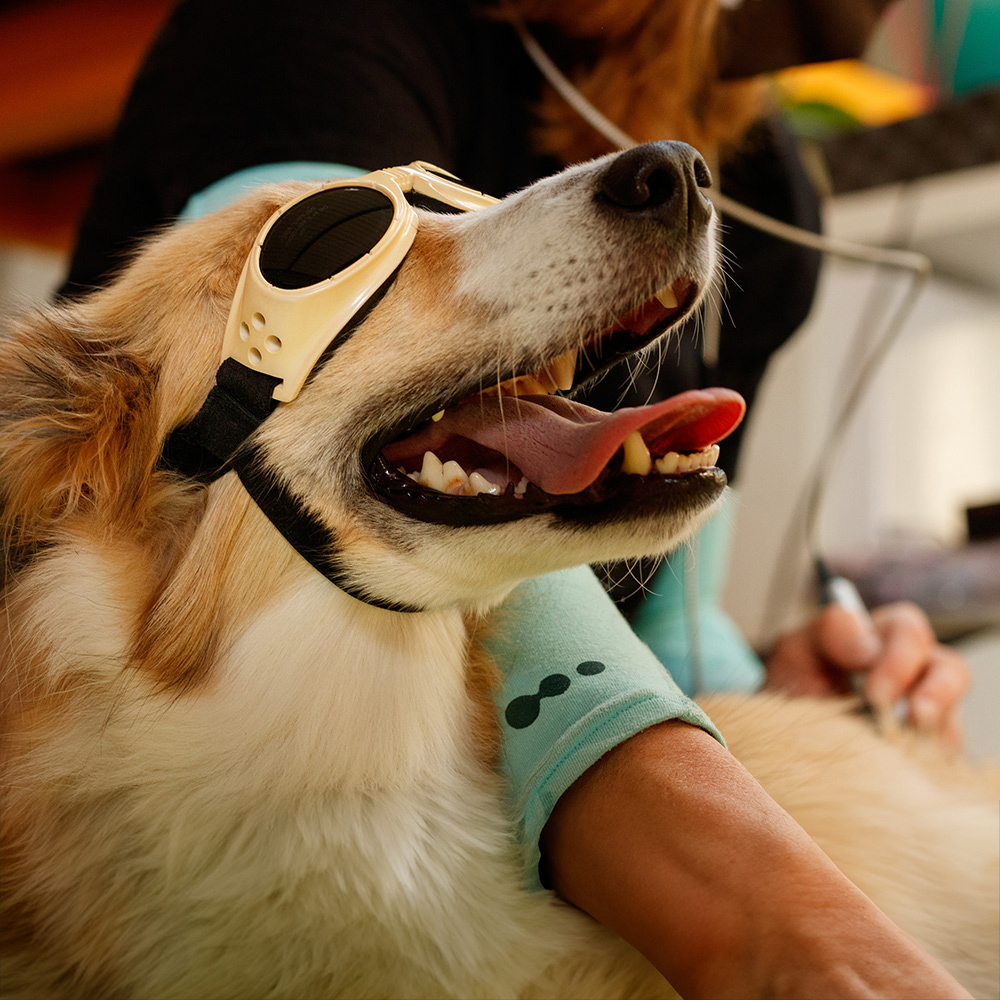
In contrast to surgical lasers, which cut tissue, therapy lasers are used to heal tissue. These high-intensity therapy lasers provide a fast, painless, sterile, surgery-free, and drug-free treatment option that can help heal or treat a wide variety of issues, including cuts, lacerations, and wounds; ear infections; hot spots; lick granulomas; osteoarthritis; sprains, strains, and sore muscles; and surgical incisions from spays, neuters, knee surgeries, and dental extractions.
High-intensity laser therapy stimulates the body at the cellular level, encouraging it to heal from within. Non-thermal photons of light are absorbed by injured tissues, stimulating cells to respond with a higher rate of metabolism. This can result in increased circulation, an anti-inflammatory effect, pain relief, and an accelerated healing process.
What to Expect During a Laser Therapy Session
Most laser treatment sessions take about 7 to 30 minutes, and most pets benefit from several sessions spread over a few days. Many sessions are conducted on an outpatient basis, meaning you don’t have to leave your pet with us. Owners often notice pain relief, relaxation, increased mobility, and accelerated healing. As the laser is administered, most pets relax into it, much like a person enjoying a good massage. Cats often begin to purr, and dogs sometimes fall asleep. We’re proud to use the Companion laser therapy system.
A Multimodal Approach to Arthritis and Chronic Pain
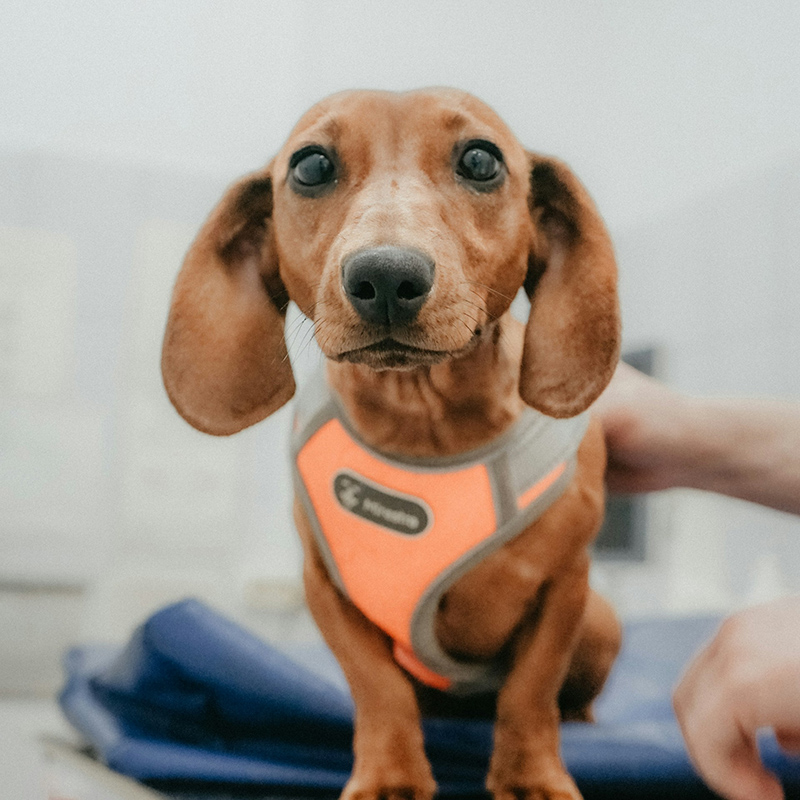
We offer a wide range of services and treatments to help older dogs and cats better cope with arthritis pain and long-term pain issues like back pain and degenerative joint disease. Because arthritis pain can seriously affect both longevity and quality of life, we tend to be aggressive in treating this common condition.
There’s no single arthritis or pain management approach that works for every pet every time. Each pet has unique pain management needs and responses to therapy, so we generally use a multimodal approach, applying more than one treatment, often at the same time, to find what works best for your pet.

Why This Service Matters
In a well-known veterinary study involving Labrador Retrievers, the inability to walk due to an orthopedic problem like arthritis was found to be a leading cause of euthanasia, underscoring how much arthritis pain can affect a pet’s longevity and quality of life. Arthritis develops when cartilage inside the joint breaks down, exposing nerve endings and causing pain. Obesity is closely linked to arthritis development, and carrying extra weight likely increases strain on already-weakened joints in dogs and cats, much as it does in people. Helping arthritic pets reach a healthy weight, in close coordination with your veterinarian, can be an important part of managing their comfort.
In some cases, surgical treatments, including arthroscopic surgery, can make a real difference for the right patient. Surgery isn’t a cure-all, though, and typically needs to be combined with medical management and weight control for the best results.

Pain Management Options We Offer
- Acupuncture and acupressure: Considered forms of alternative medicine, these can be beneficial for arthritis-related pain and inflammation. We’ve had good results working with a certified acupuncturist on several patients, and we can help connect you with a certified provider if this is a good fit for your pet.
- Massage: Can help relax muscles, reduce spasms and trigger points, increase flexibility, and improve blood and lymphatic flow. Massage therapy work should always be known to and approved by your veterinarian; you can start your search through the International Association of Animal Massage & Bodywork (IAAMB) member directory.
- Class IV laser therapy: An established treatment for arthritis and chronic pain, used for decades in human sports medicine and now applied to veterinary patients. We’ve used a Class IV therapy laser since 2012 on a wide variety of pain problems, with encouraging results from this drug-free option.
- At-home adjustments: Simple changes can help, too, like a comfortable, well-padded bed away from drafts, carpeting or throw rugs for better traction, and carpeted ramps or stairs to help pets get up and down more easily.
- Joint supplements: Many products combine ingredients like glucosamine, chondroitin sulfate, MSM, and others. Not all products contain what they claim, so we recommend sticking with a recognized manufacturer like Nutramax. Prescription arthritis diets, such as Purina JM, contain similar ingredients and may be combined with supplements for some pets. Always check with your veterinarian before starting any of these products.
- Moderate exercise: Short, low-impact sessions tend to work best for older pets. We often suggest passive range-of-motion exercises, gently moving a joint through its full range of flexion and extension, to help support the connective tissues around the joint.
- Pain relievers and anti-inflammatories: Different pets respond differently to different medications, so we consider a few main options together with you:
- Adequan: An injection typically given weekly for four weeks, then every other week for four doses, that provides building blocks to help repair and maintain joint cartilage. In our experience, this treatment has been effective with few side effects for many patients, though it requires injection and can be a cost consideration for some families.
- Monoclonal antibodies (Librela for dogs, Solensia for cats): These target a key driver of osteoarthritis pain and are given monthly to help manage chronic pain. Because OA pain is ongoing, consistent monthly treatment helps maintain results. Reported side effects have included urinary tract infection, skin infection, and dermatitis in dogs, and vomiting and injection-site pain in cats.
- NSAIDs: Often used alongside other treatments like Librela, Adequan, laser therapy, and joint supplements. We’ve had good results with options like Rimadyl, Galliprant, and Metacam for many patients. Possible side effects include vomiting, diarrhea, stomach ulcers, and kidney problems, so we recommend screening bloodwork before starting and periodically thereafter.
- Corticosteroids: Can be effective for reducing swelling and pain in some arthritic pets, though long-term use carries its own risks, including increased thirst, urination, and appetite, and potential links to diabetes, Cushing’s disease, liver disease, and immune suppression.
Important: Please do not give your pet aspirin, Tylenol, or other over-the-counter human pain relievers. The safe dosage window for pets is very narrow, and some of these medications are toxic to animals.
FAQs About Pet Laser Therapy & Pain Management
How long does a laser therapy session take?
Most sessions take about 7 to 30 minutes, and most pets benefit from several sessions spread over a few days.
Is laser therapy painful?
No, laser therapy is a painless, drug-free treatment. Many pets relax during treatment, and some cats even begin to purr.
What's the difference between Adequan and monoclonal antibody injections like Librela or Solensia?
Adequan supports joint cartilage repair with a tapering injection schedule, while Librela and Solensia are monthly injections that target pain signals directly. Your veterinarian can help determine which fits your pet's needs.
Can I give my pet human pain medication for arthritis?
No. Please don't give aspirin, Tylenol, or other over-the-counter human pain relievers, as the safe dosage window for pets is very narrow and some can be toxic.
A Personalized Path to Pain Relief
Every pet responds differently to pain management, which is why our veterinarians build a personalized protocol rather than a one-size-fits-all plan. Drawing on options like Class IV laser therapy, joint supplements, and a range of prescription therapies, our team works with you to find what helps your dog or cat move more comfortably. Families throughout the greater Dallas and McKinney area trust this multimodal approach for pets managing arthritis and chronic pain.